Baking Mistakes Beginners Make: Your Essential Guide
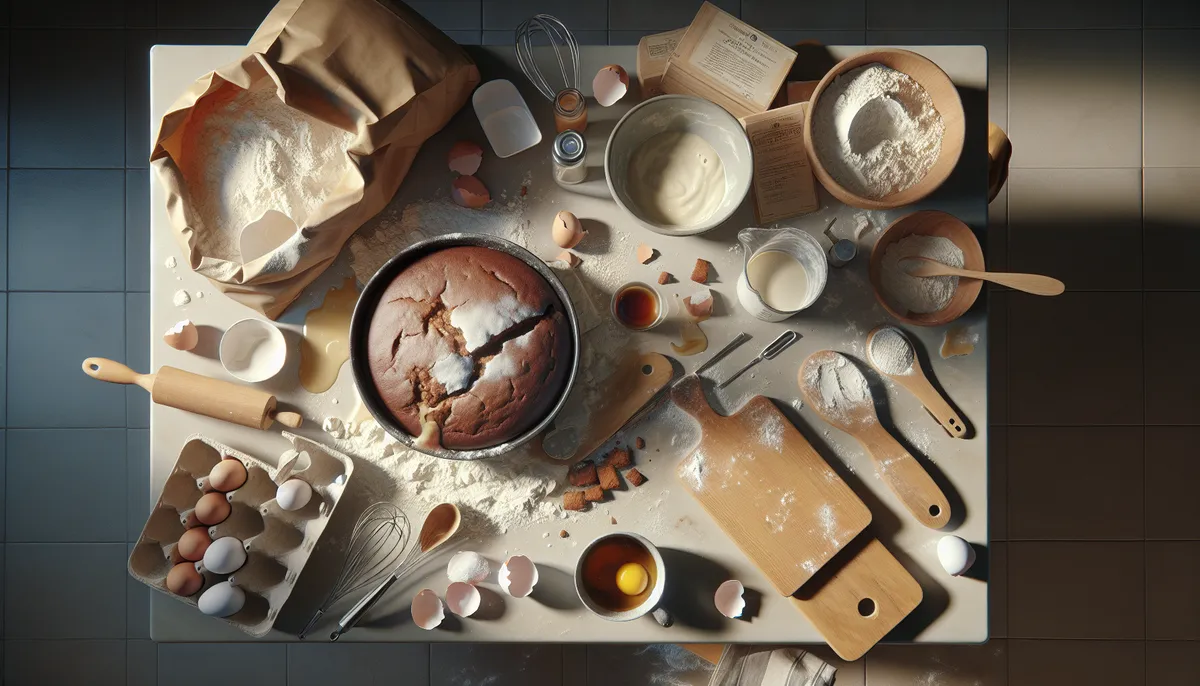
Baking can be a delightful experience, but it’s easy to make mistakes. When you’re learning, you might feel overwhelmed. Don’t worry! We’ll cover the common baking mistakes beginners make. You’ll get tips to avoid them and improve your skills.
Common Cake Baking Mistakes Beginners Make
Let’s start with cakes. Cakes are popular, but they can be tricky. One common mistake is not measuring ingredients accurately. You need precision in baking. A little too much flour can ruin your cake.
Another mistake is overmixing the batter. It might seem harmless, but it leads to dense cakes. Mix just until combined for fluffier results.
Ignoring Oven Temperature
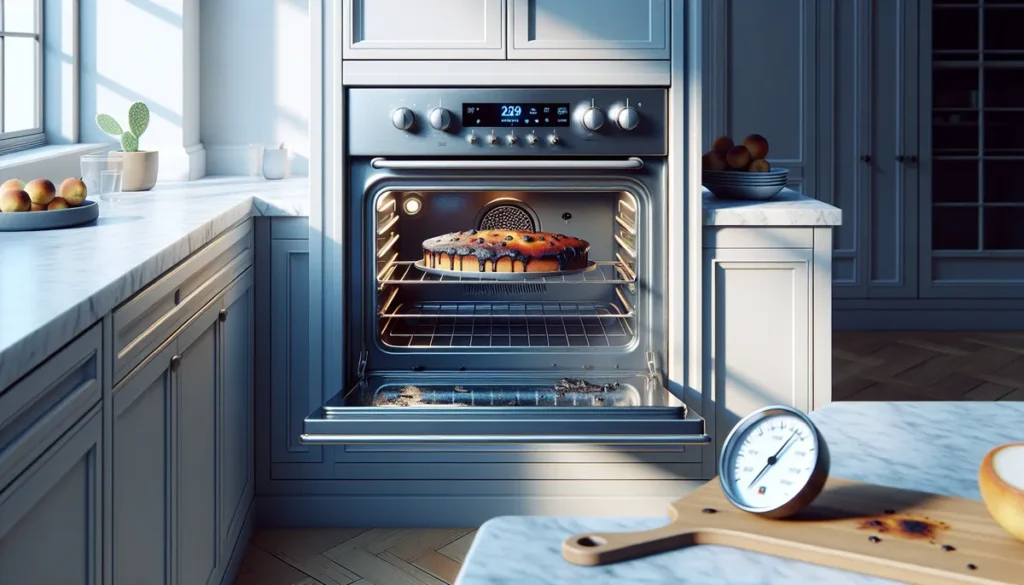
Many beginners ignore oven temperature. Preheating is essential for even baking. If you don’t preheat, your cake won’t rise properly.

Invest in an oven thermometer to check accuracy. Your oven’s settings might not be right. This simple tool can save your bake!
Using Old Ingredients
Your ingredients can affect the outcome of your bake. Using old baking powder or expired flour can lead to flat cakes. Always check dates before you start.
Fresh ingredients yield better results! Don’t skip this step if you want success.
Baking Mistakes Beginners Make: Not Following Recipes
Recipes are there for a reason! Skipping steps or making substitutions without knowledge is risky. For instance, swapping baking soda for baking powder isn’t always safe.
If you’re new, stick to the recipe as closely as possible. Once you gain confidence, feel free to experiment!
The 3-2-1 Rule in Baking
This rule helps beginners understand ratios for making pie crusts. The 3-2-1 rule means three parts flour, two parts fat, and one part water. It’s that simple!
This straightforward formula helps you create a flaky crust every time. Remember this next time you’re making pies!
Overfilling Pans
Pans are designed with specific capacities. Overfilling leads to messy spills and uneven baking. Always leave space for rising dough or batter.
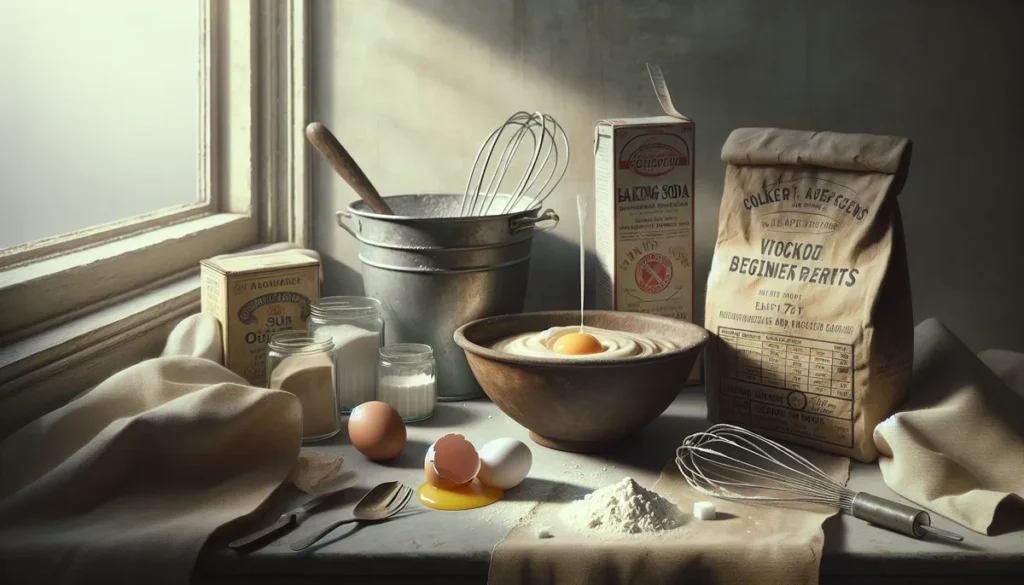
A good rule is to fill pans about two-thirds full. It helps ensure everything bakes evenly!
The Importance of Room Temperature Ingredients
Another common mistake involves cold ingredients. Butter and eggs should be at room temperature unless stated otherwise.
This helps your batter mix smoothly and evenly distribute air for a fluffy texture. Trust me; it makes a difference!
Not Letting Baked Goods Cool Properly
You might be tempted to dig in right away, but patience is key! Cooling baked goods properly ensures they set correctly.
If you cut into a cake too soon, it may fall apart. Give it time on a wire rack before slicing.
Baking Mistakes Beginners Make: Skipping Tools
The right tools matter! Using improper pans or dull knives can ruin your bake experience.
Invest in quality tools like measuring cups and good mixing bowls. They make baking easier and more enjoyable!
- Use metal pans for better heat conduction.
- A kitchen scale ensures precise measurements.
- A whisk beats air into your mixtures effectively.
Easiest Things to Bake for Beginners
If you’re unsure where to start, try simple recipes! Muffins and cookies are fantastic options for beginners.
Muffins are forgiving; they don’t require perfect measurements like cakes do! Cookies also allow creativity with flavours and add-ins.
The 1-2-3-4 Rule in Baking
The 1-2-3-4 rule helps remember ingredient proportions for basic pound cakes: one cup butter, two cups sugar, three cups flour, and four eggs.
This method simplifies starting out with cake recipes! Keep this ratio in mind when experimenting with flavours or add-ins!
Avoiding Common Pitfalls
- Don’t rush through prep work; take your time!
- Read recipes thoroughly before starting; understanding them helps!
- If something goes wrong, troubleshoot based on what you learned.
Troubleshooting Tips for Common Issues
- If your cake sinks, check ingredient freshness next time!
- If cookies spread too much, chill the dough before baking!
- If bread is dense, knead longer next time to develop gluten!
Baking Problems and Solutions: Real-world Scenarios
You might face issues even after trying hard! Here’s how to solve some common problems:
- Cake didn’t rise? Your baking powder might be old or inaccurate oven temp.
- Cookies came out flat? This could happen due to warm dough or too little flour.
- Pies leaking? Ensure edges are sealed well before baking!
Baking Mistakes Daniel Tiger Teaches Us About Patience
If you’ve watched Daniel Tiger, he emphasises patience when waiting for baked goods! It’s essential in life and cooking alike.
User Pain Points: Addressing Concerns from Reddit Discussions
- “I felt awful when my cake flopped.” – Remember; practice makes perfect!
- “I was craving sugary food badly.” – Maybe try healthier options first?
- “I felt sick after trying new recipes.” – Take breaks between bakes; listen to your body!
Common Misconceptions about Baking Difficulty Levels
Many people think baking is harder than cooking because of precise measurements required—this isn’t entirely true! Cooking allows more freedom with ingredients while still having fun creating dishes!
A Final Word on Learning from Baking Mistakes Beginners Make
You’ll make mistakes along the way—that’s okay! Each error teaches valuable lessons about ingredients and techniques.
Embrace every flop as a stepping stone toward improvement.
Soon you’ll discover that the joy of baking outweighs any mishaps along the journey!
Baking Mistakes Beginners Make FAQ Section
- What are some common cake baking mistakes beginners make?
Incorrect measurements often lead to failures like sinking cakes or dryness. - What’s the easiest thing to bake for beginners?
Muffins and cookies are great choices—they’re forgiving and fun! - What’s the 321 rule in baking?
It’s about pie crust ratios: 3 parts flour, 2 parts fat, 1 part water.
Conclusion: Embrace Your Journey with Baking Mistakes Beginners Make
Baking mistakes beginners make can transform your experience into something positive.
You’ll learn valuable skills along the way that enhance future bakes.
Just remember—practice makes progress so keep at it!
Expert Tips and Advanced Strategies
If you’re serious about baking, you’ll want expert tips. They’ll help you avoid common baking mistakes beginners make.
- Always read your recipe first. This helps you understand the steps.
- Measure ingredients accurately. Use a scale for best results.
- Use room temperature ingredients. This ensures even mixing.
- Don’t rush the process. Baking takes time and patience.
- Preheat your oven. This helps cakes rise properly.
These tips can make a big difference. They’ll help you avoid baking mistakes beginners make, improving your results.
Want advanced strategies? Here are a few:
- Experiment with flavours. Don’t be afraid to mix ingredients.
- Keep a baking journal. Track what works and what doesn’t.
- Join a baking group. You’ll learn from others’ experiences.
- Watch baking videos. Visuals can clarify tricky techniques.
These strategies will elevate your baking. They’ll help you dodge common baking mistakes beginners make.
Step-by-Step Implementation Guide
Ready to improve your baking? Follow this step-by-step guide. It’ll help you avoid baking mistakes beginners make.
Step 1: Gather Your Ingredients
Start by gathering all your ingredients. This keeps you organised and on track.
Step 2: Prepare Your Workspace
Clear your counter. You need space to work without distractions.
Step 3: Measure Ingredients
Measure each ingredient carefully. Use the right tools for accuracy.
Step 4: Mix Ingredients
Combine ingredients as the recipe states. Don’t over mix; this can ruin texture.
Step 5: Preheat the Oven
Preheat your oven to the right temperature. This is crucial for baking success.
Step 6: Bake
Pour your batter into pans. Bake as directed, checking for doneness.
Step 7: Cool and Serve
Once baked, let it cool. It’s essential for the final texture.
By following these steps, you’ll reduce errors. You’ll avoid many baking mistakes beginners make.
Remember, practice makes perfect. The more you bake, the better you’ll get!
Additional Insights and Detailed Explanations
Understanding baking mistakes beginners make is crucial. It helps you become a better baker. Let’s dive deeper into some common errors.
One big mistake is not measuring ingredients accurately. Baking is a science, so precision matters. Use proper measuring cups and spoons. It makes a huge difference in your final product.
Another common issue is not preheating the oven. If your oven isn’t hot enough, your baked goods won’t rise properly. Always check the temperature before you start baking.
Also, don’t skip the sifting process. Sifting flour helps prevent lumps and ensures even mixing. It’s a simple step that can change your results.
Lastly, many beginners forget to check expiration dates. Old ingredients can ruin your bake. Always use fresh, high-quality ingredients for the best results.
Frequently Asked Questions
What are the most common baking mistakes beginners make?
Some common baking mistakes beginners make include measuring incorrectly, not preheating the oven, and skipping steps in recipes.
How can I avoid baking mistakes?
You can avoid baking mistakes by following recipes closely. Always double-check your measurements and ingredients.
Is it okay to make substitutions while baking?
It’s often risky to make substitutions. Stick to the recipe for the best results, especially as a beginner.
What should I do if my baked goods aren’t rising?
If your baked goods aren’t rising, check your yeast or baking powder. They might be expired or used incorrectly.
Related Topics and Further Reading
If you’re interested in improving your baking skills, check out these topics:

Related internal resources
- Complete guide to Baking mistakes beginners make
- Baking mistakes beginners make examples and templates
- Practical tips for Baking mistakes beginners make